In a nutshell
- 🔥 A 2°C thermostat rise increases the indoor–outdoor gradient, driving higher heat loss and energy demand—often adding hundreds of pounds annually in leaky or electrically heated homes.
- 💷 Typical uplift: +4–12% per +1°C; a +2°C bump means roughly +8–24% energy use. Illustrative adds: £120–£250 (gas semi), £50–£150 (mid‑floor flat, heat pump), £300–£600+ (bungalow, direct‑electric).
- ⚙️ Higher setpoints extend run times and impose an efficiency penalty: boilers push higher flow temperatures, and heat pumps see lower COP, compounding consumption.
- 🏠 Prioritise draught‑proofing, radiant comfort (curtains, rugs, foil panels), zone control (TRVs, schedules), balanced emitters, and smart pre‑heat to feel warm at lower setpoints.
- 🌍 Pros vs. Cons: Warmer rooms can support health and reduce condensation risk, but raise bills and emissions; target fabric upgrades and modest setpoints for cheaper, cleaner comfort.
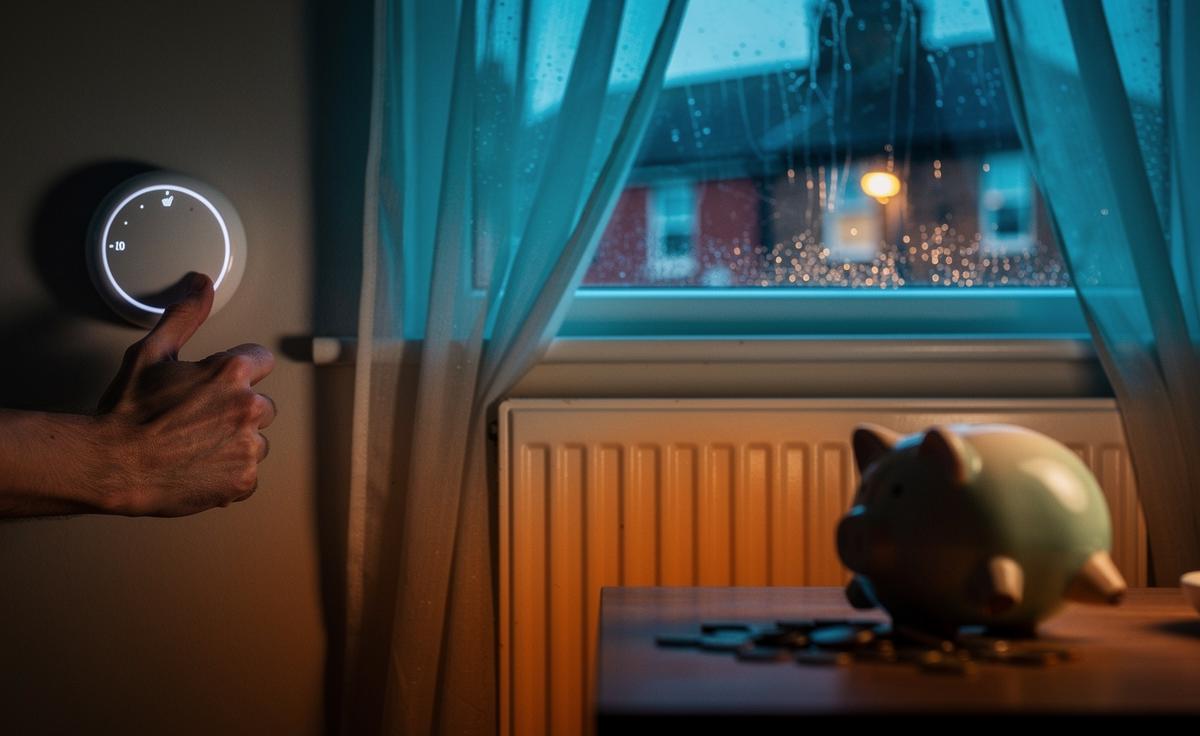
Britain’s heating season is getting pricier, and small decisions now carry big consequences. Climate scientists and building physicists say a seemingly modest 2°C thermostat shift can quietly ratchet up energy demand through the winter, compounding costs across weeks of cold weather. Because heat loss rises with the temperature gap between indoors and outdoors, that extra comfort margin translates directly into more fuel burned or more electricity drawn. The result is often invisible until the bill lands—and in poorly insulated homes or electrically heated flats, it can mean “hundreds” added over a year. Here’s what’s driving the maths, who’s most exposed, and how to keep warm without overpaying.
The Hidden Cost of a Two-Degree Tweak
Turn the dial from 18°C to 20°C and the house feels immediately friendlier, but the physics makes no exceptions. Heat loss through walls, windows, roofs, and draughts is roughly proportional to the indoor–outdoor temperature difference. Lift that difference by 2°C and you increase the rate at which heat escapes; your boiler or heat pump must work harder for longer to hold the line. It’s the classic “silent escalator” of energy use: tiny daily increments adding up to a material annual hit. In detached homes with large surface areas, the escalation is steeper; in compact, well-insulated flats, the penalty is smaller—but rarely zero.
Back‑of‑the‑envelope checks show how this sneaks up on budgets. Consider a semi with a heat‑loss coefficient of ~250 W/°C. A 2°C lift demands about 500 W more while heating is active. Over 200 days at 16 hours/day, that’s ~1,600 kWh extra heat delivered. On gas, that might mean well over £100 at typical unit prices; for direct‑electric heating, it can spiral to several hundred pounds. Households with heat pumps aren’t exempt—higher setpoints often reduce efficiency (COP), nudging consumption up further. The comfort dividend is real, but so is the compounding cost.
Scientists frame it bluntly: we notice comfort instantly, we feel costs slowly. Tariff volatility and cold snaps amplify both effects. If your home already runs warm or struggles with insulation, the cost curve is steeper still. That’s why optimising schedules, zoning spaces, and tightening the building envelope can pay back faster than many expect—especially when paired with smart controls that trim overshoot.
How Thermostats Drive Energy Use in UK Homes
Thermostats don’t heat homes; systems do. But the thermostat sets the target that boilers, heat pumps, and electric heaters chase. Two mechanisms push bills up when you raise the setpoint: a greater temperature gradient (more loss through the fabric) and longer burner or compressor run times. With modulating boilers, higher room demand can drive higher flow temperatures, trimming efficiency. With heat pumps, higher delivery temperatures typically cut COP, meaning more kilowatt‑hours per unit of heat. In short: higher targets trigger both “more heat needed” and “less efficient heat making”.
Rules of thumb vary, but energy advisors commonly cite per‑degree changes in the mid‑single to low‑double digits, depending on insulation and airtightness. Better fabric buffers the penalty; leaky buildings magnify it. The table below offers conservative planning bands; your actual mileage depends on property type, emitter sizing, and weather:
| Insulation/Airtightness | Est. Energy Change Per +1°C | Implication for +2°C |
|---|---|---|
| Good (newer build, decent retrofit) | ~4–6% | ~8–12% more |
| Average (typical UK semi/terrace) | ~6–8% | ~12–16% more |
| Poor (uninsulated walls, single glazing) | ~8–12%+ | ~16–24%+ more |
Why “more heat” isn’t always better: comfort responds to more than air temperature. Mean radiant temperature, draughts, humidity, and air movement all matter. A cooler room with warm surfaces, no draughts, and a cosy micro‑climate can feel better than a hotter, draughty space. This is why targeting fabric upgrades, draught‑proofing, and emitter balance sometimes beats piling on degrees at the thermostat—and does so at lower ongoing cost.
Case Studies: Semi-Detached, Flat, and Bungalow
To ground the ranges, imagine three common UK scenarios. These are illustrative budget models, not bills, but they mirror what energy advisors see nationwide. The baselines reflect space‑heating outlays; real totals vary by tariffs, weather, occupancy, and efficiency. The key lesson: the same +2°C move punishes leaky or electrically heated homes far more than snug, gas‑heated ones.
| Property Type | Typical Heating Energy | Fuel/System | +2°C Est. Uplift | Added Annual Cost (Illustrative) |
|---|---|---|---|---|
| Semi‑detached (average fabric) | ~10,000–13,000 kWh heat | Gas boiler | ~12–16% | ~£120–£250 |
| Mid‑floor flat (good fabric) | ~5,000–7,000 kWh heat | Heat pump (COP ~3) | ~8–12% | ~£50–£150 |
| Bungalow (poor fabric, exposed) | ~12,000–16,000 kWh heat | Direct‑electric | ~16–24%+ | ~£300–£600+ |
Note how exposure and fabric dominate outcomes. A mid‑floor flat benefits from shared walls that slash losses; the same 2°C bump is gentler. A bungalow or detached with poor insulation bleeds heat on all sides, making each extra degree disproportionately expensive—especially on electric tariffs. For heat pumps, uplift is moderated by efficiency, but higher setpoints still erode COP. Planning? Track run hours in your smart app for a fortnight at 19°C, then repeat at 21°C in similar weather; you’ll see the pattern in black and white.
Pros vs. Cons: Comfort, Health, and Carbon
There are reasons people turn the dial. Warmer rooms can ease joint pain and reduce condensation on cold surfaces. UK health guidance generally views 18°C as a safe minimum for most; vulnerable residents may need warmer spaces. The trade‑off is cost and climate: higher setpoints raise emissions (unless your supply is fully renewable) and nudge bills upwards. Comfort is essential—but so is choosing the cheapest path to achieve it.
- Pros: Immediate thermal comfort; potential reduction of damp and mould risk if surfaces warm; helpful for infants, elderly, or those with medical needs.
- Cons: Higher ongoing costs; elevated carbon footprint; efficiency penalties for boilers and heat pumps at higher delivery temperatures; risk of normalising wasteful baselines.
- Why X isn’t always better: Air temperature alone is a blunt tool; improve radiant warmth (curtains, rugs, insulation) and draught control to feel warmer at lower setpoints.
A balanced plan often blends a modest setpoint with targeted upgrades that raise radiant comfort and cut infiltration. That way, you stay within healthy ranges while avoiding the compounding penalty of permanent thermostat creep.
Smart Ways to Stay Warm Without Paying More
Before adding degrees, change the context in which heat is felt. Small, tactical fixes frequently beat big temperature hikes. Start with the envelope: seal letterboxes and keyholes, fit brush strips, close unused chimneys with balloons, and use heavy, well‑fitted curtains that cover radiators only at night. Layer rugs over bare floors to lift radiant comfort. In rooms you occupy most, reflect heat with foil panels behind radiators; in bedrooms, adopt a lower night set‑back with warm bedding.
- Zone control: Use TRVs and schedules so you’re heating rooms you use, when you use them.
- Lower flow, longer run (boilers/heat pumps): Improves efficiency while maintaining even warmth.
- Humidity: 40–50% relative humidity feels warmer; avoid over‑ventilating on cold, dry days.
- Draught‑proofing: Low‑cost, high‑impact; many homes leak like sieves.
- Maintenance: Bleed and balance radiators; service boilers; clean heat pump filters.
- Smart schedules: Pre‑heat before occupancy; trim setpoint when out; avoid swingy manual fiddling.
For renters or cash‑strapped households, these measures usually beat cranking the dial. Owners can go further: attic and cavity insulation, window upgrades, and heat‑pump‑ready radiators create comfort at lower temperatures. The golden rule: prioritise actions that improve radiant comfort and cut losses; save the thermostat change for last—and keep it modest.
Energy is now too costly to leave to guesswork. The physics is clear: add 2°C, add a meaningful chunk to your annual spend—sometimes hundreds of pounds in leaky or electrically heated homes. The smarter path is to design comfort rather than buying it by the degree: fix draughts, lift radiant warmth, and let schedules do the heavy lifting. If you tracked your home’s run‑time and temperature for two weeks, what single change would deliver the biggest saving without sacrificing comfort?
Did you like it?4.5/5 (29)