In a nutshell
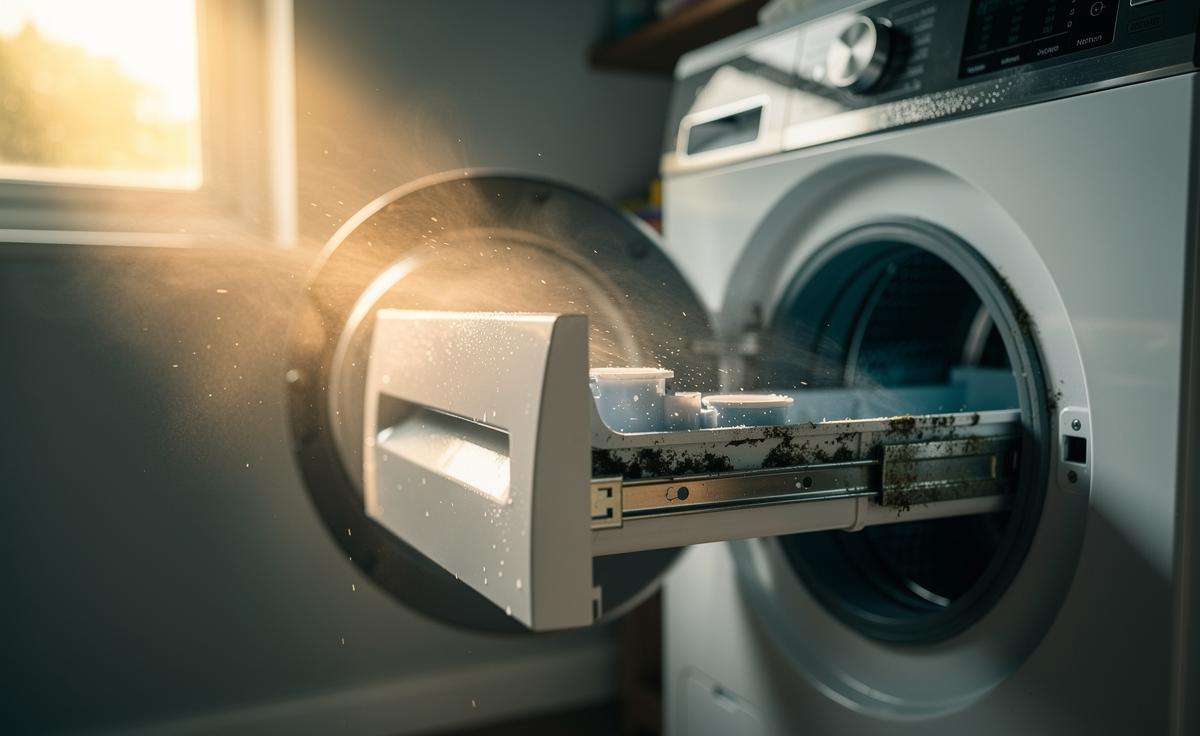
- 🌀 Leaving the detergent drawer ajar increases airflow, lowers relative humidity, disrupts biofilm growth, and starves mould of the moisture it needs.
- 🔎 Mould hotspots include the softener siphon, dispenser roof, and drawer rails/seals; ventilation evaporates lingering water films that fuel colonies.
- ⚖️ Pros vs. Cons: free odour control, fewer deep cleans, and residue protection versus minor snags, dust, and child/pet safety considerations.
- 🧭 Simple routine: leave drawer and door slightly open, remove/rinse the siphon insert, wipe the dispenser roof weekly, run a 60°C maintenance cycle monthly, and dose detergents accurately.
- 📈 Result: fresher laundry, fewer call-outs, and longer appliance life—especially with UK-style low‑temp cycles—proving a tiny habit delivers outsized benefits.
It sounds almost too simple: leave your washing machine’s detergent drawer ajar and the musty smell disappears. Yet behind that humble habit lies a clear bit of physics and hygiene. When the drawer and dispenser housing are shut after a wash, they trap warm, damp air laden with residues—ideal conditions for a biofilm that fuels black mould. Crack the drawer open and you invite airflow, accelerating evaporation, lowering relative humidity, and denying microbes the water film they need to thrive. Small daily ventilation changes the entire microclimate of the machine’s most neglected cavity. As a UK reporter who has toured countless laundries and kitchens, I’ve seen this one-minute tweak avert expensive cleans, sour odours, and even early machine failures.
The Science of Airflow: How Drying Beats Hidden Mould
Mould is opportunistic, but it is not magical. It needs three things to colonise: moisture, nutrients, and time. A shut dispenser drawer provides all three. Detergent and softener residues become food; splashed rinse water leaves a thin film; the enclosed cavity preserves high relative humidity. Airflow breaks this triangle. When you leave the drawer open, fresh air peels away the stagnant boundary layer on surfaces, promoting faster evaporation. With less water clinging to plastics and seals, spores struggle to germinate, and any existing biofilm desiccates and becomes easier to wipe away.
There’s a dose of chemistry here too. Many detergents are mildly alkaline. When concentrated in crevices, they can irritate skin and corrode components over time; when diluted and dried by airflow, their residue load drops. Meanwhile, the temperature gradient between a recently run tub and your kitchen or utility room encourages moisture to wick outward—if the path is open. In short, airflow lowers humidity below the threshold where mould can reliably establish, turning an inviting swamp into inhospitable desert. The effect isn’t cosmetic; it’s preventative engineering you can do for free.
Where Mould Hides in Detergent Drawers
If you’ve ever pulled a drawer to find black flecks and a sour, sweet smell, you’ve met the usual suspects. The softener compartment uses a siphon insert that holds water after the final rinse. The roof of the dispenser housing collects splash-back where spray jets meet powder residues. Narrow channels and seals between the drawer and housing trap moisture, while the shadowed corners never see daylight. These “always-damp” niches allow spores to anchor and feed on fabric softener and un-dissolved detergent, especially in cooler washes.
During a visit to a rented flat in Manchester, a tenant complained that “the smell comes back two days after cleaning.” The culprit: the siphon cup sat wet under a closed drawer, and weekly wipes did nothing to speed drying. Leaving the drawer open got airflow into the roof cavity; after a fortnight, the once-glossy slime turned matte and flaky—easy to remove. The hidden truth is that you don’t just clean mould; you starve it, and airflow is the quickest diet.
| Hidden Area | Why It Stays Wet | What Airflow Changes |
|---|---|---|
| Softener siphon cup | Retains a standing pool post-rinse | Evaporates water film, halting spore germination |
| Dispenser roof | Atomised spray and condensation | Breaks humid boundary layer, speeds drying |
| Drawer rails and seals | Capillary moisture trapped in crevices | Encourages wicking and surface evaporation |
Pros and Cons of Leaving the Drawer Open
Pros first: it’s free, simple, and works with any machine design. By ventilating the dispenser, you reduce odour, extend intervals between deep cleans, and protect plastics from the long soak of caustic residues. Families running cooler cycles—now common in the UK to save energy—see outsized gains because lower temperatures leave more surviving spores and more residue. A jar’s-worth of airflow beats a bottle’s-worth of fragrance every time.
But there are trade-offs. In tight galley kitchens or integrated units, an open drawer can snag clothing or bang cupboard doors. Pets might lick residual softener (store bottles out of reach and wipe spills). Households with curious toddlers should weigh the risk of sharp rails and small removable siphon parts. Dust ingress is a minor concern; in practice, lint accumulates far faster during washing than from ambient air. If aesthetics matter, a “one finger-width” gap offers nearly all the benefit without broadcasting an ajar drawer.
| Pros | Cons |
|---|---|
| Reduces humidity, odour, and biofilm growth | Potential snag hazard in small spaces |
| Costs nothing and fits any routine | Attracts dust if left fully open for weeks |
| Less frequent deep cleans and call-outs | Child/pet curiosity requires supervision |
| Complements low-temp, eco wash habits | May not suit tightly integrated cabinetry |
A Simple Routine for a Cleaner Machine
The best regime blends airflow with quick housekeeping. After your final load, pull the drawer out an inch. If you can, pop out the siphon insert from the softener well and tip away pooled water. A 10-second wipe of the dispenser roof with a microfibre cloth removes the film that mould uses to anchor. Leave the machine door itself cracked open, too—drum and seal mould feed on the same moisture. Ventilation is not an extra chore; it’s the last step of every wash.
Monthly, run a 60°C maintenance cycle with the drawer removed and the housing exposed to the room; the heat lift plus airflow clears lingering damp. Prefer powders or liquid detergents measured carefully; over-dosing fuels residue. If you use softener, choose concentrated formulas sparingly—less liquid equals less post-rinse pooling. And keep an eye on the spray jets: a soft brush clears the crust that misdirects water back into the roof cavity.
- After washing: leave both drawer and door slightly open.
- Weekly: remove siphon, rinse, and dry; wipe the dispenser roof.
- Monthly: 60°C clean cycle with drawer removed to maximise airflow.
- Always: dose detergents accurately to minimise residue.
Leave the drawer open and you give your machine a fighting chance against the stealthy trio of moisture, residue, and time. This small nudge of airflow lowers humidity, shortens drying time, and makes every subsequent clean easier—often eliminating the musty odour homeowners mistake for a deeper fault. It is a low-carbon, zero-cost habit that aligns with cooler wash trends and busy lives. If a minute’s ventilation can protect fabrics, lungs, and your appliance, what other quiet, physics-backed tweaks could transform the way you care for your home?
Did you like it?4.5/5 (26)