In a nutshell
- 🔥 The surprising culprit is low Mean Radiant Temperature (MRT): cold surfaces (walls, windows, floors) draw heat from your body, making a 21°C room feel chilly.
- 🌡️ Turning up the thermostat isn’t always better: it raises bills, risks condensation, and barely shifts MRT—hence the UK’s fabric-first mantra for true comfort.
- 🏠 Case study win: a Manchester Victorian terrace added secondary glazing, draught-proofing, and thermal curtains, lifting surface temps by 3–6°C and cutting gas use by ~18% while boosting sofa-side comfort.
- 🔎 Diagnose like a pro: use a £20 infrared thermometer on a cold night; flag surfaces under ~16°C, check shiny areas with black tape, and prioritise the surfaces that “see” where you sit.
- 🛠️ Practical fixes: quick wins (secondary glazing film, thermal-lined curtains, seals) plus deeper retrofits (insulation, airtight floors) and steady low-temp heating with 40–50% RH for balanced comfort.
Britain’s winter has a way of seeping into our bones, but there’s a twist in why some homes feel chilly even when the thermostat insists it’s toasty. The surprising culprit isn’t always a weak boiler or a stingy landlord—it’s the temperature of the surfaces around you. When walls, windows, and floors are cold, your body radiates heat towards them, making the room feel cooler than the air suggests. In other words, you can be sitting in 21°C air and still feel cold if the surfaces are sucking warmth from you. This effect—often overlooked in household energy chats—explains why certain rooms never quite feel comfortable despite cranked-up radiators and rising bills.
The Hidden Culprit: Mean Radiant Temperature
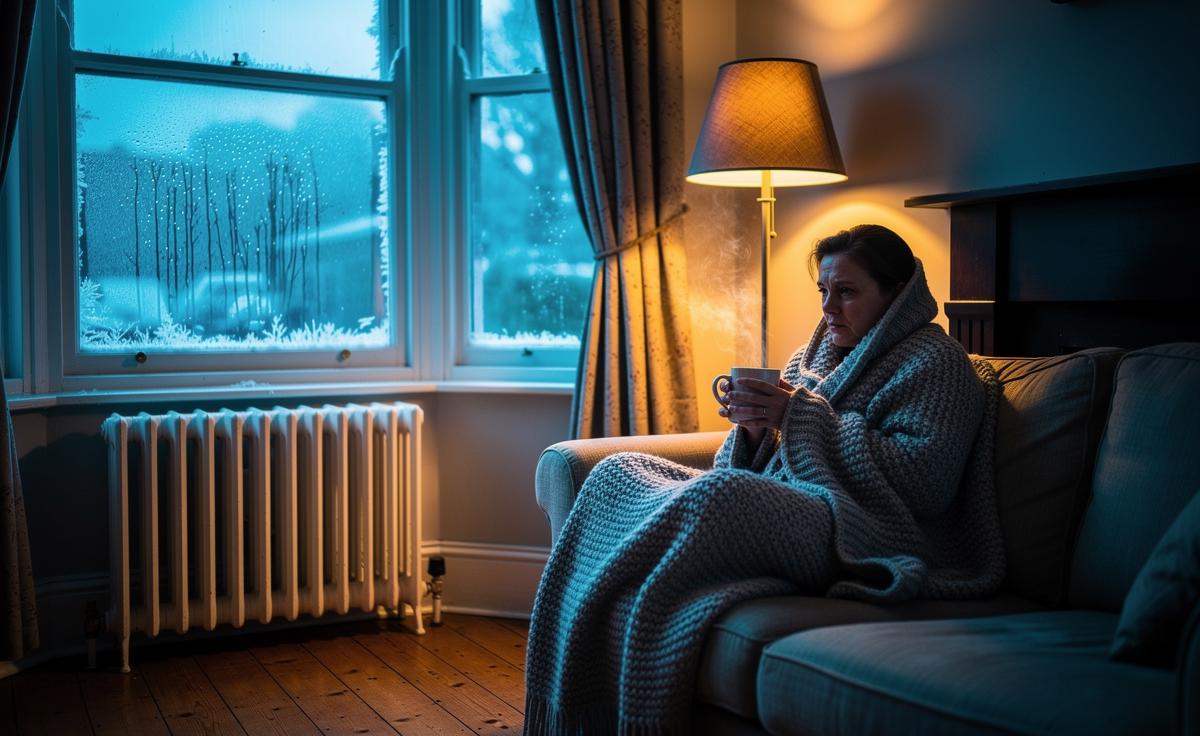
Most of us judge warmth by the number on the thermostat. But comfort is actually a blend of air temperature and mean radiant temperature (MRT)—the average temperature of the surfaces that “see” your body. If your windows and walls are cold, your body loses heat by radiation, a bit like standing near a block of ice even in warm air. This radiant heat exchange can make a nominally warm room feel two or three degrees colder. Older UK homes—with single-glazed bays, uninsulated solid walls, and draughty floorboards—are classic candidates. You turn up the heat, the air warms, but the surfaces remain chilly, and your comfort stubbornly refuses to follow.
Physics aside, this plays out in everyday annoyances: cold spots by the sofa, a chill near the patio doors, or a “north-facing room” that never quite catches up. A simple test—using an inexpensive infrared thermometer—often shows window panes at 8–12°C on frosty nights while the room reads 20–21°C. The body reads both numbers at once, and comfort follows the colder one. That is why insulation, airtightness, and better glazing can feel more transformative than an extra degree on the dial.
| Air Temp (°C) | Average Surface Temp/MRT (°C) | Perceived Comfort |
|---|---|---|
| 21 | 14 | Feels distinctly cool; heat loss to cold surfaces |
| 20 | 18 | Feels comfortable for most people |
| 19 | 20 | Feels surprisingly warm due to radiant gains |
Why Turning Up the Thermostat Isn’t Always Better
It’s tempting to chase comfort with more heat. But raising air temperature does little if your surfaces remain cold. Warm air laps at you, while your body still radiates to chilly walls and windows. The result: bigger bills, minimal relief. Additionally, hot air against cold fabric can drive condensation at thermal bridges, inviting mould—bad for health and the wallet. UK Building Regulations (Part L) and retrofit standards like PAS 2035 increasingly push “fabric first” for good reason: insulating and tightening the envelope lifts surface temperatures, trims drafts, and reduces the need for high flow temperatures from boilers or heat pumps.
There’s also the comfort chemistry of humidity. Very dry indoor air (common in heated homes) can intensify the “chilled” sensation through faster evaporation from skin, while overly humid rooms feel clammy. Aim for roughly 40–50% relative humidity; simple measures like houseplants, drying clothes more wisely, or a controlled humidifier can help—but always in tandem with ventilation. Think of warmth as a system: air temperature, radiant temperature, humidity, and air movement all work together. Address one in isolation and you risk chasing your tail—and your budget.
- Pros of turning up the thermostat: Quick, easy, no tools required.
- Cons: Higher bills, potential condensation, limited impact on MRT, and does not fix draughts or cold spots.
Case Study: A Chilly Victorian Terrace That Outsmarted Its Boiler
On a damp January in Manchester, a couple in a two-up two-down complained their front room was “cold to the bones” at a measured 21°C. An infrared camera told the real story: a single-glazed bay dipping to 9°C, a cold chimney breast at 12°C, and draughts from a suspended timber floor. Their air was warm; their surfaces were not. Instead of replacing a perfectly capable combi, they went fabric-first. Secondary glazing with tight brush seals, thermal-lined curtains, a chimney balloon, perimeter floor draught-proofing, and a discreet airtightness membrane under new carpet lifted surface temps by 3–6°C on cold nights.
The couple also set smart TRVs to avoid overheating non-critical rooms and adjusted humidity to around 45% with balanced ventilation. Measured over 60 days, degree-day-adjusted gas use fell about 18%, while evening comfort rose dramatically—especially on the sofa facing the bay. The lesson mirrored broader UK retrofit wisdom: address the envelope before forcing the boiler to overperform. It’s a blueprint repeatable in countless terraces and semis, proving that warm-feeling rooms are built on surface temperatures, not bravado from the thermostat.
How to Diagnose and Fix Low Radiant Temperature at Home
Start with a £20 infrared thermometer. On a cold evening, take readings of internal surfaces: glazing, external walls, floor edges, alcoves, and ceilings. Note anything under ~16°C in a room you heat to 19–21°C. Cold readings flag where your body will “beam” its warmth away. Next, sit where you usually relax and check the surfaces that “see” you—particularly windows and the wall behind you. If those numbers lag the air temperature by 5–10°C, you’ve found your comfort thief. For accuracy on shiny surfaces, place a small strip of matte black tape before measuring to normalise emissivity.
Fixes range from quick wins to deeper retrofits. Quick wins: secondary glazing or quality film, thermal-lined curtains that seal to the frame, well-fitted draught strips, and radiator reflector panels behind external-wall rads. Bigger steps: internal wall insulation on the coldest elevations, floor airtightness upgrades, and, when budgets allow, high-performance glazing. Combine with steady, lower-temperature heating (ideal for heat pumps or modulating boilers) to lift both air and surface temperatures smoothly. Comfort follows the fabric—improve surfaces, and you can often run cooler air without feeling cold.
We talk about “turning the heating up,” but warmer-feeling homes are usually crafted, not cranked. The key is mean radiant temperature: raise the temperature of the surfaces you live among, and your bones will thank you—and your bills may, too. From secondary glazing to draught-proofing and smarter humidity control, the solutions are less glamorous than a new gadget yet far more dependable. If your rooms feel chilly at 21°C, it’s a surface story, not a thermostat tragedy. Which surface in your home feels coldest—and what’s the first, practical step you could take this week to make it warmer to the touch?
Did you like it?4.5/5 (22)