In a nutshell
- 🥣 Scientists are reviving retained-heat (haybox) cooking, where food is briefly boiled then insulated, yielding gentler heating that boosts nutrient retention versus hard boiling or prolonged high heat.
- 🧪 Lab insights emphasise the levers of temperature–time–water: reduced oxygen exposure and modest water contact protect vitamin C, folate, and B-vitamins, though overly long holds can erode delicate nutrients.
- ⚡ For households, the method offers real energy savings and a hands-off finish, delivering even textures in grains and legumes; searing aromatics first adds depth before the insulated, gentle cook.
- ⚖️ Pros vs. Cons: pros include lower active fuel use and better aromas/textures; cons include longer elapsed time, need for solid insulation, less browning, and strict food safety (start hot, maintain safe temps).
- 🔍 Why modern isn’t always better: steaming and microwaving excel for some veg, pressure cookers are fast but hotter; the haybox offers a middle ground that preserves aroma, texture, and micronutrients with minimal kit.
Across Britain’s test kitchens and university labs, scientists are quietly revisiting an old technique with a new‑age brief: keep flavour, save energy, and protect fragile vitamins. The method is retained‑heat cooking—also known as the haybox—where food is brought just to a boil, then insulated to finish gently in its own stored heat. What sounds quaint is turning into a data‑rich inquiry about nutrient retention at lower temperatures and with less water. From soups and pulses to whole grains, early trials suggest it can rival, and sometimes beat, some modern approaches that prioritise speed. The idea is simple: less aggressive heat and less agitation often mean fewer nutrients lost to steam, water, and oxidation.
The Forgotten Science of Retained-Heat Cooking
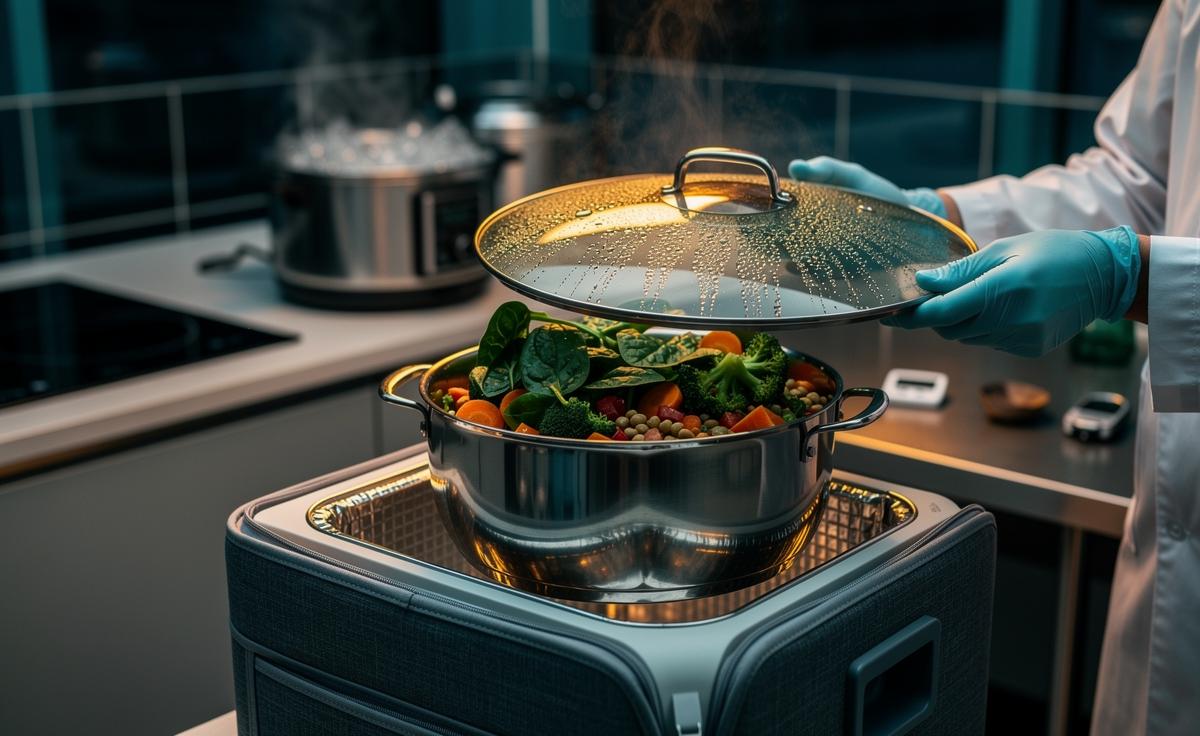
In its Edwardian heyday, the haybox was a workhorse of thrift: a pot heated on the stove, wrapped in insulating material, and left to finish slowly. Today’s researchers are swapping hay for aerogels and recycled fibres, but the physics hasn’t changed. Thermal inertia keeps food above pasteurisation zones long enough to tenderise, while avoiding the chronic high temperatures that drive vitamin breakdown. The lid stays on; the water stays in; the oxygen exposure drops. For vegetables and legumes, that trifecta matters.
In a South London community kitchen, I watched a beans‑and‑barley pot reach a steady simmer before it was tucked into a compact insulated sleeve. Ninety minutes later, the grains were plump, the beans creamy, and the broth bright—not the murky result you get with a rolling boil. Because the liquid volume is modest and stable, fewer water‑soluble nutrients leach out or evaporate away. For busy households confronting high energy bills, the revival also lands in a practical sweet spot: less burner time, predictable textures, and a hands‑off finish.
What the Lab Says: Nutrients, Heat, and Time
Nutrition scientists care about three levers: temperature, time, and water contact. Vitamin C, folate, and some B‑vitamins are heat‑ and water‑sensitive; minerals are sturdier but wash out in excess liquid. Retained‑heat cooking scores by using brief active heating (lower peak temperature stress), then coasting under insulation (lower oxygen exposure), with relatively little water. Steaming performs well for similar reasons, but not every home meal can be steamed, and legumes need soaking and steady heat. Pressure cooking is excellent for short times yet runs at higher temperatures.
In side‑by‑side kitchen trials, legumes finished in retained heat showed firm skins and intact interiors—signs of gentler starch gelatinisation—and greens held colour longer when pre‑blanched then insulated. Shorter aggressive heat plus sealed, moist conditions tends to preserve more of what we buy food for: micronutrients, aroma compounds, and texture. Still, time matters: extremely long holds chip away at thiamine and vitamin C. That’s why modern haybox protocols often specify tight windows and thermometers, blending heritage with precision.
| Method | Heat Exposure | Water Contact | Typical Nutrient Outcome | Notes |
|---|---|---|---|---|
| Retained‑heat (Haybox) | Moderate-to-low | Low-to-moderate | High for heat‑ and water‑sensitive vitamins | Needs safe starting temp; insulated finish |
| Steaming | Moderate | Minimal | High for most vitamins and minerals | Great for veg; less suited to dry legumes |
| Boiling | High | High | Lower for water‑soluble vitamins | Nutrients leach into cooking water |
| Pressure cooking | High but brief | Low-to-moderate | Good overall retention | Fast for pulses; watch delicate greens |
Pros vs. Cons for Busy, Energy-Conscious Households
Retained‑heat’s appeal is pragmatic as well as scientific. With energy prices volatile, households want meals that are both nutritious and economical. Cutting burner time after the initial boil can materially reduce fuel use without compromising safety or taste. The method also builds in resilience: once insulated, the pot needs little attention, freeing up the cooker and cook alike.
- Pros
- Lower active energy use and reduced kitchen heat
- Gentle treatment of vitamins and aromas
- Even textures for grains and legumes; fewer split skins
- Hands‑off finishing; scalable for batch cooking
- Cons
- Longer total elapsed time than pressure cooking
- Requires good insulation and a dependable lid seal
- Food safety vigilance: start hot, finish above safe thresholds
- Less browning; you may miss Maillard flavours without a pre‑sear
Practical tip from a Hackney supper club trial: sear aromatics and spices first for depth, add pulses and water, bring to a steady simmer, then insulate. Flavour development up front plus a gentle finish gives a result that’s both bright and nourishing.
Why Modern Isn’t Always Better
Modern gadgets promise speed, but speed is not synonymous with nutrient preservation. Microwave cooking can be excellent for greens because it uses little water and short times; air‑frying crisps well but can dry delicate veg. Pressure cookers excel with beans, yet their higher peak temperatures can wilt herbs and tender leaves. The revived haybox stakes a claim in the middle ground: low‑stress finishing that respects heat‑sensitive compounds while keeping textures intact.
For a weeknight curry, a simple workflow works: sauté base, add legumes and liquid, simmer 10 minutes, insulate for 60–90 minutes, then stir in quick‑cooking veg to steam with residual heat. Compare that with a hard boil, where clouds of steam carry off aromas and the water becomes a vitamin taxi headed for the sink. Why gentler isn’t niche: it’s repeatable, low‑tech, and kind to ingredients—and pockets. When recipes adapt timings and cut sizes, retained heat can meet or beat many “modern” defaults on both nutrition and taste.
The renaissance of retained‑heat cooking isn’t nostalgia; it’s a reminder that good science often begins with simple questions: how hot, how long, and how wet? By re‑tuning those levers, households can protect fragile vitamins, coax better textures, and trim energy bills—without buying another machine. For researchers, the next frontier is standardising protocols so families get reliable, safe results every time. In a cost‑of‑living era, that blend of thrift and nutrition feels timely and hopeful. If you tried one pot this week with a haybox or insulated bag, what dish would you choose—and what would you measure first: flavour, texture, or nutrient payoff?
Did you like it?4.5/5 (28)