In a nutshell
- 🧪 Home fermentation is forecast to rival meal kits within five years, powered by cost-of-living pressures, gut-health interest, and flavour depth—reshaping shopper habits and expectations.
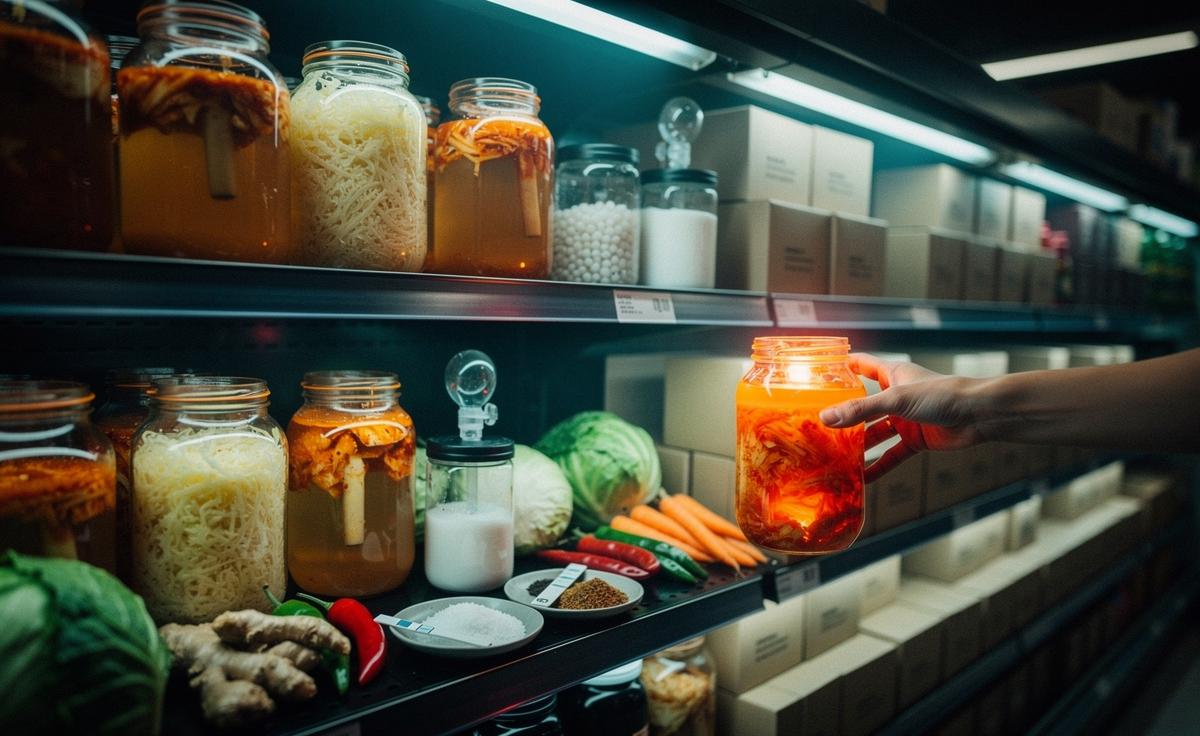
- 🛒 Grocers will redesign grocery aisles around process: dedicated fermentation bays with jars, airlocks, salts, live cultures, pH strips, and education-as-merchandising via signage and QR tools.
- 💷 The economics favour inputs over finished goods: lower costs per serving, higher margins on long-dated SKUs, reduced waste by converting “wonky” produce, and steadier cashflow than chilled meal-kit logistics.
- 🛡️ Safety is pivotal: monitor salinity and keep vegetable ferments below pH 4.6; offer calibrated strips and clear guidance. Why DIY isn’t always better: waiting times and contamination risks mean a portfolio of ready-made and DIY options works best.
- 🇬🇧 UK signals: household case studies cutting waste and costs, co‑op fixtures converting browsers, rising sales of jars/salts, cookery schools adding modules, and suppliers pitching “ferment‑grade” veg.
The humble jar on a kitchen counter could soon compete with the slickest subscription box. Food economists I’ve interviewed point to home fermentation as the next mass-market ritual, driven by cost-of-living pragmatism, gut-health awareness, and a hunger for flavour that outlives fads. Within five years, at-home krauts, kombuchas, yoghurts, and misos are forecast to rival meal kits in share of stomach and shopper mindspace. That shift won’t just change what we cook; it will rewire grocery aisles—from glassware and salt to live cultures and pH strips—turning supermarkets into suppliers of time, tools, and trust. The question now: who adapts fastest, and who gets left on the shelf?
Why Home Fermentation Is Poised to Scale
Fermentation has always been thrifty, but the current moment turns thrift into strategy. A cabbage, a clean jar, and household salt can produce a week of tangy, vitamin-rich veg for pennies per serving—well below even discounted ready meals. Add the cachet of probiotics, flavour depth, and cultural pride—kimchi, kefir, garums—and you have a movement with legs. It’s not niche tinkering anymore; it’s a repeatable workflow that saves money, reduces waste, and elevates taste. Meanwhile, many meal kits have hit a price ceiling and face churn as budgets tighten. The economics make fermented staples a compelling swap for sides, condiments, and even beverages.
Technology is smoothing the learning curve. Affordable starter cultures, SCOBYs, and temperature-stable yeasts ship reliably; home sensors now validate pH and salinity; and short-form video demystifies the first burp of a lid. Retailers see it too: shelf-stable brining salts, flavoured teas for kombucha, and fermentation crocks are creeping into mainstream stores. In interviews, category buyers describe a familiar pattern: once shoppers master one ferment, basket sizes rise as they branch into spice packs, airlocks, and storage jars. That is the same flywheel meal kits once enjoyed—only this time, the brand is the household itself.
| Aspect | Home Fermentation | Meal Kits |
|---|---|---|
| Indicative Cost/Serving (UK) | £0.10–£2.00 (ingredients + utilities) | £5–£9 (subscription tiers vary) |
| Time Profile | Short prep, longer passive wait | Longer active prep, immediate eating |
| Waste | Uses “ugly” produce; minimal packaging | Portion control; higher packaging footprint |
| Skill Demand | Simple steps; monitoring needed | Recipe execution; minimal monitoring |
How Grocery Aisles Could Be Redesigned
Supermarkets optimised for rapid weekly top-ups may soon look more like hardware stores for flavour. Expect a dedicated fermentation bay bundling jars, airlocks, crocks, pH strips, fine salt, and live cultures, flanked by produce graded for pickling—smaller cucumbers, seconds carrots, wilt-resistant cabbages. Refrigerated endcaps could host SCOBY “nurseries,” kefir grains, and starter yoghurts. Education becomes merchandising: clear signage on brine ratios, safe pH targets, and batch timelines turns browsers into confident makers. Retailers that pair tools with trustworthy guidance will capture repeat custom without carrying perishable finished ferments that erode margin through shrink.
Digital layer, physical payoff. QR codes on salt bags can open brine calculators; recipe cards near chilli and garlic cross-sell spice packs; and refill stations for vinegar and jars reduce packaging overheads. Seasonal storytelling—“Spring Asparagus Pickle Week,” “Sourdough September”—brings rhythm to the aisle. Most tellingly, layout will shift from cuisine-based adjacencies to process-based adjacencies: a “Ferment & Store” corridor that logically sequences ingredients, equipment, and safety tools. Retailers already run coffee and cheese counters; a compact “fermentation help desk” staffed on weekends could be the next experiential anchor.
- Bundle kits: jar + airlock + salt + culture + step card
- Promote “seconds” produce with recipe signage
- Offer repair parts: gaskets, weights, replacement lids
- Integrate sensors: low-cost pH and temperature probes
- Create loyalty badges for completed batches to gamify repeat visits
Economics: From Supply Chains to Waste Reduction
Fermentation flips the cost stack. Instead of paying for central kitchens, chilled transport, and fragile finished goods, retailers sell inputs with long shelf lives and strong margins: salt, glass, cultures, teas, sugars. Every kilogram of produce diverted from the waste stream into a jar is shrink avoided and value created. Imperfect or surplus veg—often discounted—becomes premium when marketed for kraut, curtido, or pickles. For suppliers, live-culture lines open recurring revenue: once a household establishes a rhythm, they replenish salt and flavour packs monthly.
There’s also a cashflow angle. Meal kits demand tight forecasting and costly cold chains; fermentation inputs can be bought in bulk and turned steadily. Energy costs matter, but passive fermentation relies on ambient temperatures, not 180°C ovens. Consider the indicative economics below; your mileage will vary by operator and region, but the direction of travel is clear.
| Metric | Fermentation Inputs | Meal Kits |
|---|---|---|
| Gross Margin Potential | High (commodities + accessories) | Moderate (commodities + assembly + logistics) |
| Inventory Risk | Low (long-dated SKUs) | High (perishables; recipe obsolescence) |
| Shrink/Waste Impact | Reduces produce shrink via “ferment grade” merchandising | Controlled portions, but high packaging disposal |
| Customer Lifetime Value | Recurring salt/culture/tool upgrades | Recurring kits; churn sensitive to price |
- Winners: salt mills, glass manufacturers, spice blenders, culture labs
- Losers: excess plastic packaging, overspecified recipe paraphernalia
- Wildcards: utility tariffs (ambient vs refrigeration), local produce gluts
Safety, Regulation, and Why DIY Isn’t Always Better
The promise is big, but so are the responsibilities. Food safety is non-negotiable: vegetables fermented under proper salinity and hygiene rapidly acidify, but low-acid or protein ferments demand extra care. A practical rule-of-thumb matters: keep vegetable ferments at safe salinity and below pH 4.6 to inhibit pathogens. Retailers should stock calibrated pH strips and provide clear instructions. The UK’s regulatory environment already covers labelling for cultures and allergens; as live-culture sales grow, expect guidance on alcohol traces in kombucha and on storage temperatures for starter products.
Why DIY isn’t always better: not everyone wants to wait a week or manage an airlock. Some households prefer the predictability of ready-made ferments or the convenience of kits that assemble dinner in 30 minutes flat. And while packaging waste is lower for jars you reuse, botched batches carry their own footprint. The right approach is a portfolio: supermarkets offering safe, pasteurised ferments alongside live-culture kits and education. That spectrum keeps beginners safe, satisfies enthusiasts, and protects brand trust.
- Pros: cost savings; flavour complexity; lower packaging; food-waste reduction; microbiome benefits
- Cons: learning curve; waiting time; contamination risk; variable results; storage space
- Mitigations: pH testing, clean tools, reliable cultures, clear signage, helplines
Case Studies and Early Signals in the UK
In Manchester, a family I shadowed during a cost-of-living series moved from weekly salad bags to fortnightly jars of curtido and kimchi. Their fridge space didn’t shrink; their food waste did. They now buy “wonky” veg on purpose and report fewer midweek top-ups. In a north London co‑op, a small “fermentation fixture” trial—jars, salt, culture, pH strips—converted browsers into regulars with weekend demos. The aha moment wasn’t health; it was taste plus thrift. A Scottish startup, meanwhile, sells seaweed‑boosted kraut mixes that turn unglamorous cabbages into coastal umami—proof that local terroir stories can travel through a jar.
My own test was humbler: in a Hackney flat, I fermented carrots with dill and black pepper. On day three, a nervous sniff; on day seven, a snap of orange that made weekday eggs feel restaurant-grade. The point isn’t romance; it’s repeatability. If a journalist with limited counter space can keep a jar alive, so can mainstream shoppers—provided supermarkets stock the right tools, offer starter guidance, and celebrate inevitable missteps as part of the craft. That’s the cultural turn meal kits never quite cracked.
- Signal: rising sales of canning jars and fine salt across independents
- Signal: cookery schools adding fermentation modules
- Signal: producers pitching “ferment-grade” vegetables to retailers
Home fermentation won’t replace meal kits; it will sit beside them, changing what we consider “prepared.” As households trade some weeknight speed for weekend setup, grocers can pivot from just-in-time dinners to just‑in‑brine staples that compound value over days. The retailers that invest in tools, training, and trust will own this next aisle. For shoppers, the reward is flavour, thrift, and a little kitchen theatre. When you picture your local supermarket five years from now, do you see a jar in your basket—and if so, what would convince you to start your first ferment this week?
Did you like it?4.6/5 (29)