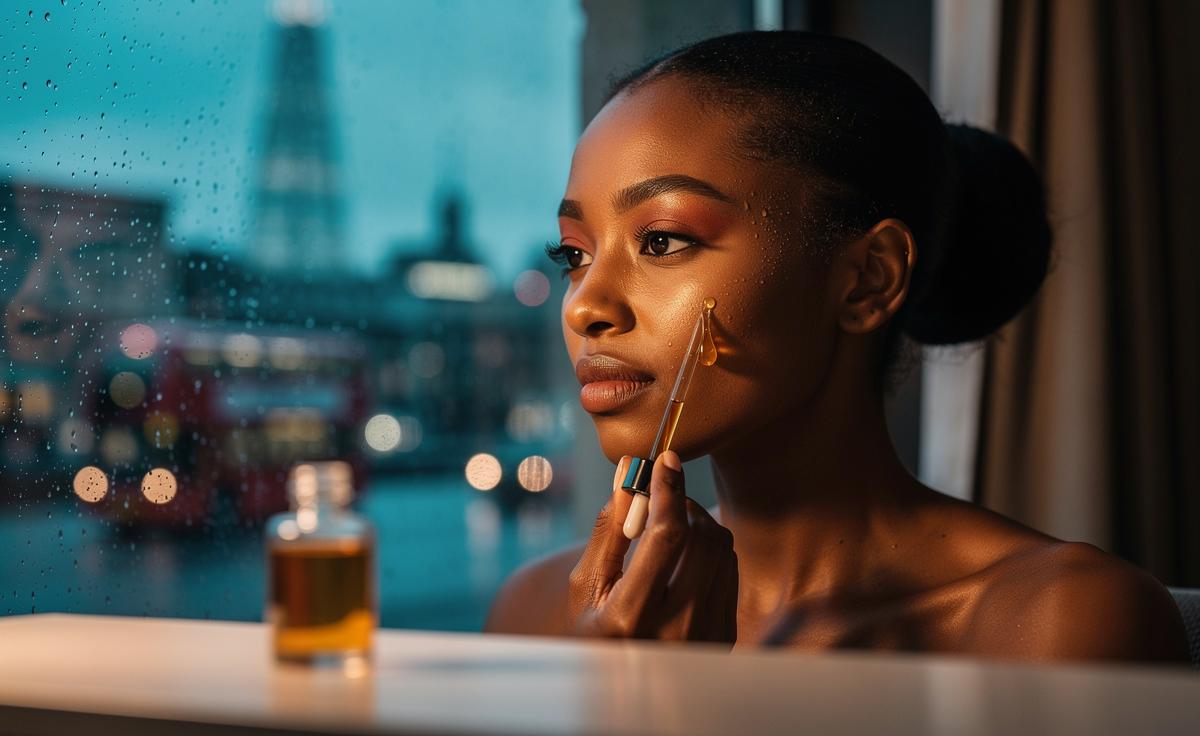
In a nutshell
- 🔬 The science: facial oils act as emollient and occlusive layers that reduce TEWL, sealing in hydration rather than adding it; apply after moisturiser and avoid mixing with SPF.
- 🌆 London factors: hard water, pollution, and central heating stress skin; oils offer quick comfort, seasonal adaptability, and fit a barrier-first approach.
- ⚖️ Pros vs. Cons: barrier support, slip for massage, antioxidant delivery vs. potential congestion and irritation; choose non-comedogenic formulas and always patch test.
- 🧴 How to choose and layer: match linoleic– or oleic-rich oils to skin type; routine order is cleanse → humectant → ceramide moisturiser → 2–4 oil drops; prioritise morning SPF.
- ♻️ Value and sustainability: multipurpose, long-lasting oils in recyclable glass with simple INCI lists and ingredient transparency suit London’s cost-conscious, eco-aware shoppers.
Across London’s postcodes, facial oils have quietly shifted from niche indulgence to bathroom staple. Tube-weary skin, office heating, and the city’s hard water all conspire to leave complexions feeling parched and reactive. Dermatologists point out that well-chosen oils can reinforce the skin barrier, calm irritation, and add flexible slip to makeup routines—useful on days when time is short but skin still needs comfort. Crucially, oils aren’t a replacement for hydrators; they’re a finishing layer that locks moisture in. With thoughtful formulas now sitting at every price point, Londoners aren’t merely following a trend—they’re editing their routines to be simpler, more sensorial, and better suited to the city’s microclimates.
The Science: How Facial Oils Support the Skin Barrier
Dermatologists describe facial oils as primarily emollient and occlusive. Emollients fill microscopic cracks between corneocytes, improving smoothness, while occlusives form a breathable seal that reduces transepidermal water loss (TEWL). Many botanical oils are rich in fatty acids—especially linoleic acid—which can help a stressed barrier feel less tight and reactive. An oil won’t add water to the skin; it preserves what your serums and moisturisers deliver. That’s why most derms recommend applying oils last at night or after moisturiser in the evening, and avoiding mixing with SPF in the morning.
Composition matters. Lightweight oils such as squalane and jojoba tend to mimic skin’s natural lipids, so they feel less greasy and play nicely under makeup. Others—think rosehip—bring antioxidants like vitamin A precursors, helpful for dull, pollution-worn complexions. Texture is more than preference: it decides spreadability, layering success, and whether you wake up nourished or congested. Match the oil to your skin type and environment rather than chasing the most luxurious texture.
Technique also influences results. A few drops pressed—rather than rubbed—into slightly damp skin reduces tugging and encourages even distribution. When paired with a humectant serum (for example, hyaluronic acid), the oil slows evaporation, extending that comfortable, “springy” feel across a long commute or a night in central heating.
Urban Factors Driving the Trend in London
London’s daily realities create a perfect case for oils. Hard water can leave a film that disrupts the acid mantle, while frequent cleansing after the gym or cycle commutes strips lipids further. Add particulate pollution along busy corridors—from Brixton to Bishopsgate—and you have a cocktail of oxidative stress and micro-irritation. Facial oils answer with immediate comfort, pliancy for facial massage, and a pragmatic way to “seal” hydration without a 10-step routine. For time-poor professionals, two to three targeted steps beat maximalist regimens that may inflame rather than improve.
Seasonal shifts intensify demand. Autumn’s wind tunnels at Canary Wharf and winter’s radiators accelerate TEWL, nudging many to swap gels for richer finishes. Meanwhile, beauty retailers report rising interest in multifunctional products—oils that double as gua sha slip, lip softeners, and cuticle saviours. There’s also a cultural pivot: post-exfoliation crazes left some Londoners sensitised, prompting a “barrier-first” philosophy that elevates oils from luxury to necessity.
Clinics across Zones 1–3 note that clients want soothing textures that fit makeup habits. Lightweight oils sit well under tinted moisturisers and allow strategic glow without pooling in the T-zone. The goal isn’t greasiness—it’s resilience: skin that tolerates long days, late nights, and city air without flaring. In that sense, facial oils are less trend than toolkit, adapted to London’s unique pressures.
Pros vs. Cons: Why an Oil Isn’t Always Better
Facial oils bring tangible upsides, but they aren’t universal heroes. Understanding trade-offs helps you choose judiciously rather than impulsively. More drops won’t mean better results; it often means clogged pores and smudged makeup. Balance is non-negotiable.
- Pros: Reinforce barrier; reduce TEWL; add slip for massage; improve makeup blend; targeted botanicals deliver antioxidants and soothing compounds.
- Cons: May congest if overused; can pill with certain silicones; some essential oils irritate sensitive skin; insufficient alone for dehydration.
Key guardrails from dermatology practice: keep fragrance minimal if you’re reactive; seek non-comedogenic or low-comedogenic options for breakout-prone skin; and patch test along the jawline for 72 hours before full use. If you experience seborrhoeic dermatitis or “fungal acne” tendencies, scrutinise esters and certain triglycerides that can aggravate symptoms. Think of an oil as the sealant in a routine led by water-based hydration and a well-formulated moisturiser. For mornings, apply oil sparingly or skip it if your sunscreen already has a dewy finish—SPF stability and adequate application volume must take priority.
How to Choose and Layer: A Derm-Approved Routine
Selection begins with texture and fatty acid profile. Dry or mature skin often benefits from oleic-rich oils for plushness; combination or breakout-prone complexions may prefer linoleic-leaning options. Your climate matters: in a damp, chilly London winter, slightly richer oils can feel protective, while summer calls for whisper-light textures. Layering order is simple: cleanse; apply a humectant serum; follow with a ceramide-rich moisturiser; then add two to four oil drops pressed in. In the morning, end with SPF—don’t mix oil into sunscreen, as that can dilute protection.
| Oil | Skin Type Fit | Typical Comedogenicity | London Use Case |
|---|---|---|---|
| Squalane | All, incl. sensitive | Low (0–1) | Daily layer under makeup; non-greasy on commutes |
| Jojoba | Combination; balanced | Low–moderate (~2) | Massage and barrier support after hard-water cleanse |
| Rosehip | Dull; uneven tone | Low (1) | Night repair after city pollution exposure |
| Marula | Dry; mature | Moderate (3–4) | Winter wind buffer; skip if easily congested |
Practical tips: warm drops between palms to improve spread; avoid the nose crease if you congest there; and rotate textures seasonally rather than hoarding actives year-round. Consistency beats intensity: a few well-chosen drops, most nights, outperform sporadic slathers.
Price, Sustainability, and What Londoners Actually Buy
Value now matters as much as vanity. Oils stretch far because a bottle lasts months, and many play double duty on lips, cuticles, and even ends of hair—useful in a cost-conscious city. Refillable options and recyclable glass bottles appeal to eco-minded shoppers, while simple INCI lists help minimise sensitising extras. Choose clarity over complexity: fewer, skin-compatible lipids beat a medley of perfumed botanicals. Independent retailers across neighbourhood high streets have championed tester bars and mini sizes, lowering the barrier to trying textures before committing.
Dermatology clinics advise prioritising patch testing and ingredient transparency over hype. Londoners with melanin-rich skin often report comfort from oils that reduce ashy cast without suffocating pores; those prone to redness appreciate options free from essential oils. Shopping smart means reading labels for fatty acid distribution, scanning for potential irritants, and aligning texture with daily life—be it cycling in drizzle or working under office air-con. In short, oils have won favour not because they’re glamorous, but because they’re practical, economical, and adaptable to London’s rhythms.
Facial oils have become London’s quiet skin-care equaliser—small bottles that defend against hard water, stale air, and high-speed days. When chosen by texture, layered with intention, and used sparingly, they make routines simpler and skin calmer. The point isn’t shine; it’s resilience, comfort, and a barrier that bounces back. As you reflect on your own commute, office climate, and cleansing habits, which oil profile—lightweight and linear, or plush and cocooning—could be the missing piece in your London routine, and how will you test it this season?
Did you like it?4.6/5 (24)