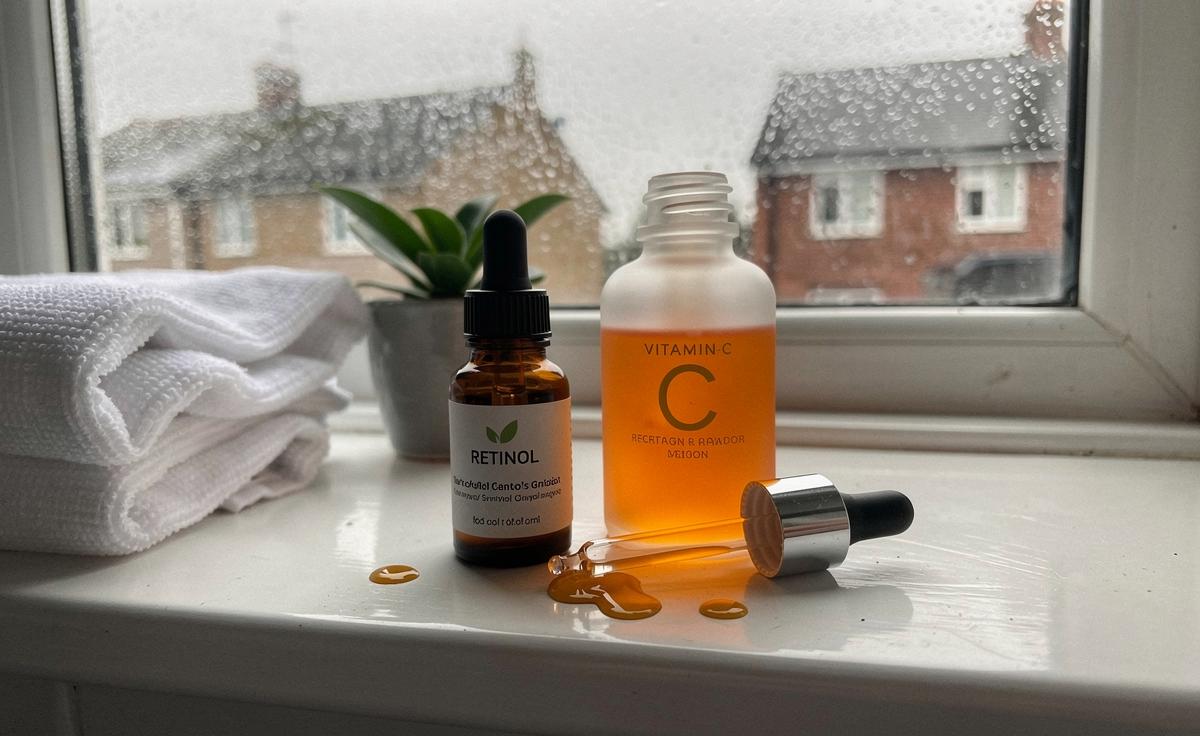
In a nutshell
- 🧪 Retinol boosts cell turnover and collagen; in the UK’s drying climate, start “low and slow” (0.1–0.3%, 2 nights/week), use a pea-sized amount, buffer with ceramides, and avoid during pregnancy.
- 🌞 Daytime Vitamin C brightens and defends; choose L-ascorbic acid (L-AA) at 8–15% for efficacy or gentler derivatives; watch for oxidation (darkening, off smell) and pair with vitamin E/ferulic acid.
- 🔁 Combine smartly: Vitamin C AM, retinol PM; separate to reduce irritation, support the barrier with niacinamide/ceramides, and remember that consistency beats concentration.
- 🛍️ Shop with intent: prioritise opaque/airless packaging, clear INCI names (retinol, retinal; ascorbic acid, THD), texture you’ll use, and value over hype; consider prescription tretinoin for acne via a clinician.
- 🛡️ Non‑negotiable: daily SPF 30–50 in the UK—UVA cuts through clouds and glass; build habits, pace your actives, and track progress over 3 months for evidence-based results.
British bathrooms are crowded with glossy bottles promising glow, yet the workhorses remain two stalwarts: retinol and vitamin C. Used well, they can fade dark spots, smooth fine lines, and build a more resilient skin barrier—use them badly and you risk irritation or wasted money. This guide unpicks the science, the UK-specific quirks (hello, drizzle, hard water, and central heating), and the smartest ways to pair these actives without drama. Daily sunscreen is non‑negotiable, even on grey mornings, because UVA penetrates clouds and windows. We’ll cover strengths, routines, and red flags, plus practical buying tips you can use on your next stroll through Boots or a late-night scroll.
What Retinol Does and How to Use It in a UK Climate
Retinol, a vitamin A derivative, accelerates cell turnover and encourages collagen synthesis, targeting fine lines, texture, and breakouts. For many UK readers, the challenge isn’t access—it’s tolerance. Winter winds, office heating, and city pollution can all amplify dryness. Think “low and slow” rather than a sprint. Start with 0.1–0.3% two nights a week, a pea-sized amount for the full face, and buffer with a ceramide-rich moisturiser. The “sandwich” method—moisturiser, retinol, moisturiser—often improves comfort without diluting benefits too much.
Pros vs. Cons:
- Pros: Proven for photoageing, texture, and pores; pairs well with niacinamide and hyaluronic acid.
- Cons: Initial peeling/stinging; sun sensitivity; not advised during pregnancy or when trying to conceive—seek professional guidance.
Practical tips I’ve gathered from UK dermatology clinics and pharmacists:
- Apply at night; skip on days you over-exfoliate or face biting winds.
- Use bland cleansers; avoid strong acids the same evening if you’re new to retinoids.
- SPF 30–50 every morning; add a hat on bright days.
- If acne is significant, prescription-strength tretinoin via NHS or private routes may be considered—speak to a clinician.
Consistency beats concentration. A gentle retinol used for a year will outperform a 1% you abandon after a fortnight.
Vitamin C: Forms, Stability, and Real Results
Vitamin C is your daytime bodyguard: an antioxidant that tackles free radicals from UV and pollution, brightens tone, and supports collagen. Pure L-ascorbic acid (L-AA) works fast but is temperamental; it prefers a low pH and airtight, tinted packaging. UK bathrooms, with steamy showers and sunny windowsills, can sabotage stability. Alternatives like ascorbyl glucoside or tetrahexyldecyl ascorbate trade speed for better shelf life and comfort on sensitive skin.
Why higher percentage isn’t always better:
- 8–15% L-AA often delivers brightening with fewer tingles.
- Above 20% brings diminishing returns and more potential for sting.
- Pairing with vitamin E and ferulic acid improves performance at moderate strengths.
Tell-tale signs your serum is past its best:
- Colour shift from pale to deep orange/brown (oxidation).
- Metallic or off smell; unusual stickiness.
- Ineffective results after a month of regular use.
Morning application under SPF is the sweet spot in the UK, where pollution is a year-round concern and UVA shines through even on dim days. Patch-test if you flush easily, and try oil-soluble derivatives if L-AA feels harsh. Store tightly capped, away from radiators and sunlight.
Can You Use Retinol and Vitamin C Together? Pros vs. Cons and Routines
Yes—with strategy. Retinol rebuilds overnight; vitamin C shields by day. Old myths said their pH clash cancels benefits; current consensus is more forgiving. The bigger risk is irritation from doing too much, too quickly. Separate by time of day until your skin proves it can cope. For eager experimenters, layer cautiously and prioritise barrier support.
At-a-glance pairing guide:
| Active | Main Mechanism | Best Time | Typical UK OTC Strength | Plays Well With | Avoid Mixing With (Early On) |
|---|---|---|---|---|---|
| Retinol | Cell turnover; collagen support | Night | 0.1–1% | Niacinamide, ceramides | Strong acids, benzoyl peroxide |
| Vitamin C (L-AA) | Antioxidant; brightening | Morning | 8–20% | Vitamin E, ferulic acid, SPF | Layering with many actives if stinging |
Sample routines from reader case studies:
- Beginner: AM cleanse → vitamin C → moisturiser → SPF. PM cleanse → niacinamide → moisturiser → retinol twice weekly.
- Intermediate: AM cleanse → vitamin C + hydrating serum → SPF. PM cleanse → retinol on dry skin → moisturiser; add an extra moisturiser night after windy commutes.
- Sensitive: AM vitamin C derivative; PM retinal/retinol one night, barrier-only the next two nights.
London commuter Amira, 32, reduced post-acne marks by spacing actives: vitamin C daily, retinol thrice weekly, and a “recovery” night with thick moisturiser. The win wasn’t a magic serum; it was cadence, patience, and sunscreen.
Shopping Smart in the UK: Labels, Packaging, and Price vs. Value
From high-street aisles to indie e‑tailers, UK shoppers face more choice than ever. Don’t chase hype; chase evidence and packaging. Retinol fares best in opaque, airless pumps; L-ascorbic acid likes dark glass. Scan the INCI: “retinol,” “retinal,” or “retinyl” for vitamin A; “ascorbic acid,” “ascorbyl glucoside,” or “tetrahexyldecyl ascorbate” for vitamin C. If concentrations aren’t listed, brands with clinical context or consumer testing are safer bets than vague “boost” claims.
What to prioritise:
- SPF compatibility: vitamin C under sunscreen is a power couple.
- Texture: serums you enjoy are serums you use.
- Support crew: niacinamide, glycerin, and ceramides steady the barrier.
Price vs. value in brief:
- Spend on stabilised vitamin C formulas with airtight packaging.
- Save on retinol by choosing proven concentrations over luxury scents.
- Fragrance-free can reduce the risk of flare-ups in colder months.
For acne, stronger retinoids like tretinoin are prescription-only—discuss with a GP or dermatologist. Otherwise, build a routine you can sustain. Great skin is a habit, not a haul.
The core message is simple: combine vitamin C in the morning and retinol at night, protect with SPF, and give your skin time to adapt. Start with modest strengths, listen to your barrier, and keep an eye on packaging and oxidation so you don’t bin half-used bottles. If you’ve been hesitant, try a three-month experiment and photograph progress monthly—evidence beats instinct. What one tweak to your routine this week could make your future skin thank you?
Did you like it?4.5/5 (29)